

Featured
Real Estate Market
As the Market Changes, So Must Your Strategy
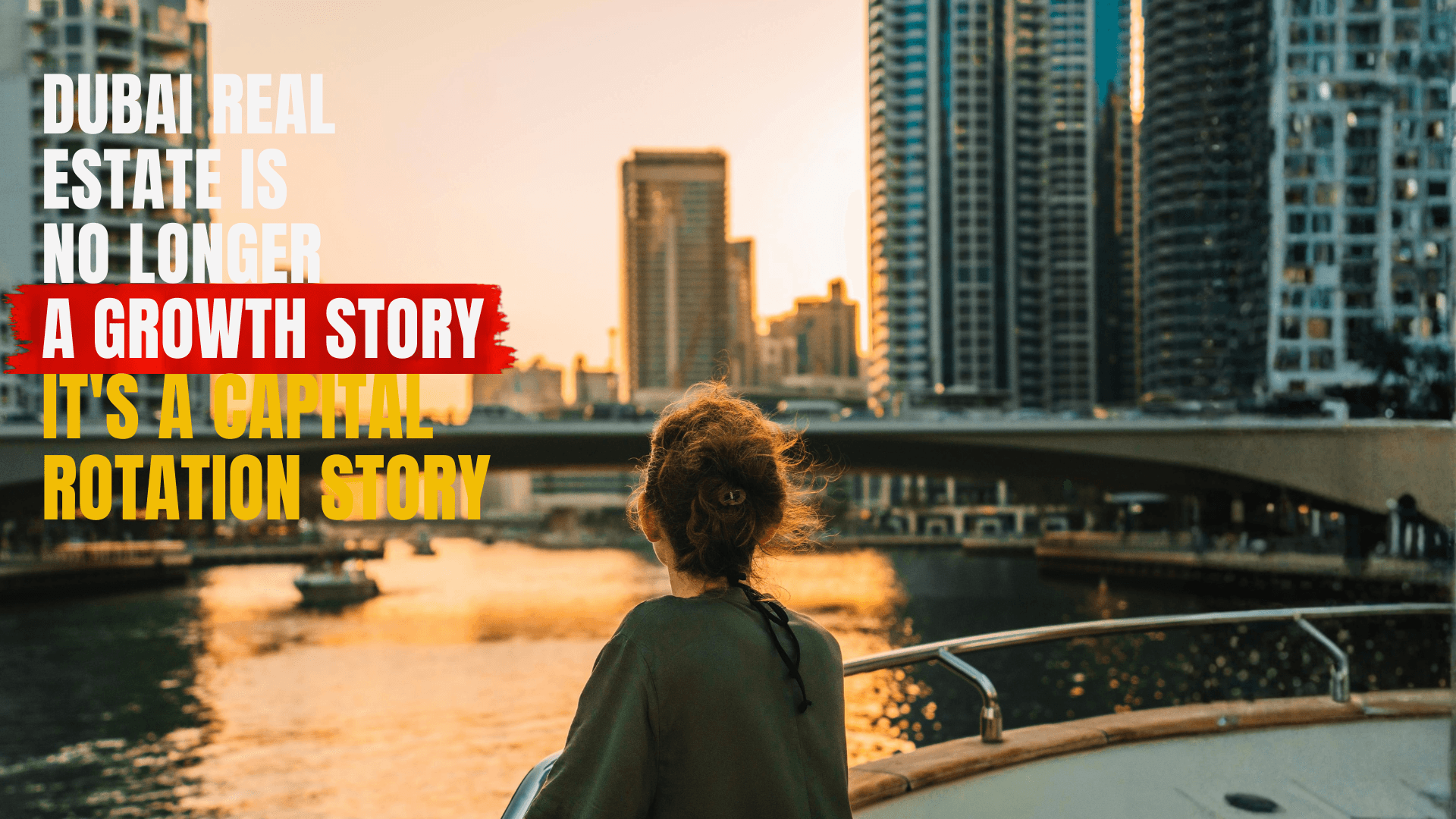
Dubai real estate is no longer driven by explosive growth—it’s driven by strategic capital rotation. Investors who adapt are outperforming.
Arash Sepassi
Apr 29
4 min
43
Dubai’s real estate market in 2026 is not just evolving—it’s opening its doors wider than ever before.
One of the most significant policy shifts this year is the removal of the AED 750,000 minimum property value requirement for property-linked residency visas. This isn’t a minor tweak—it’s a structural change that signals a clear direction: Dubai wants more investors, across more price points.
Previously, property investors needed to meet a minimum threshold (AED 750,000) to qualify for residency through real estate ownership. With this barrier now removed, the entry point into Dubai’s property-linked visa ecosystem has become far more accessible.
This move aligns with the broader strategy of the Dubai Land Department and General Directorate of Residency and Foreigners Affairs to:
The most obvious shift is accessibility. Investors who were previously priced out of residency-linked ownership can now enter the market with smaller budgets.
This opens the door to:
Expect increased activity in communities such as:
These areas offer strong value propositions—modern units, improving infrastructure, and relatively lower entry prices—making them ideal targets for new investors entering under the revised policy.
With more buyers entering the sub-AED 750K range, transaction volumes are expected to rise.
What this means:
Liquidity is often underestimated, but in reality, it’s one of the most powerful drivers of a healthy real estate market.
This policy shift is not about making Dubai “cheaper.” It’s about making it more accessible and more liquid.
Savvy investors should be thinking about:
Dubai is effectively expanding its investor base, which historically leads to stronger long-term price stability and more consistent demand cycles.
At a time when many global cities are tightening foreign ownership rules, Dubai is moving in the opposite direction.
This reinforces a key narrative:
👉 Dubai is not limiting access—it’s scaling it.
By lowering entry thresholds while maintaining strong infrastructure, tax advantages, and regulatory transparency, the city continues to position itself as one of the most investor-friendly real estate markets globally.
The removal of the AED 750,000 threshold is more than a policy change—it’s a signal.
A signal that Dubai’s next growth phase will be driven not just by high-net-worth individuals, but by a broader, more diverse investor base.
And in real estate, when access expands, opportunity usually follows—fast.
Dubai real estate is no longer driven by explosive growth—it’s driven by strategic capital rotation. Investors who adapt are outperforming.
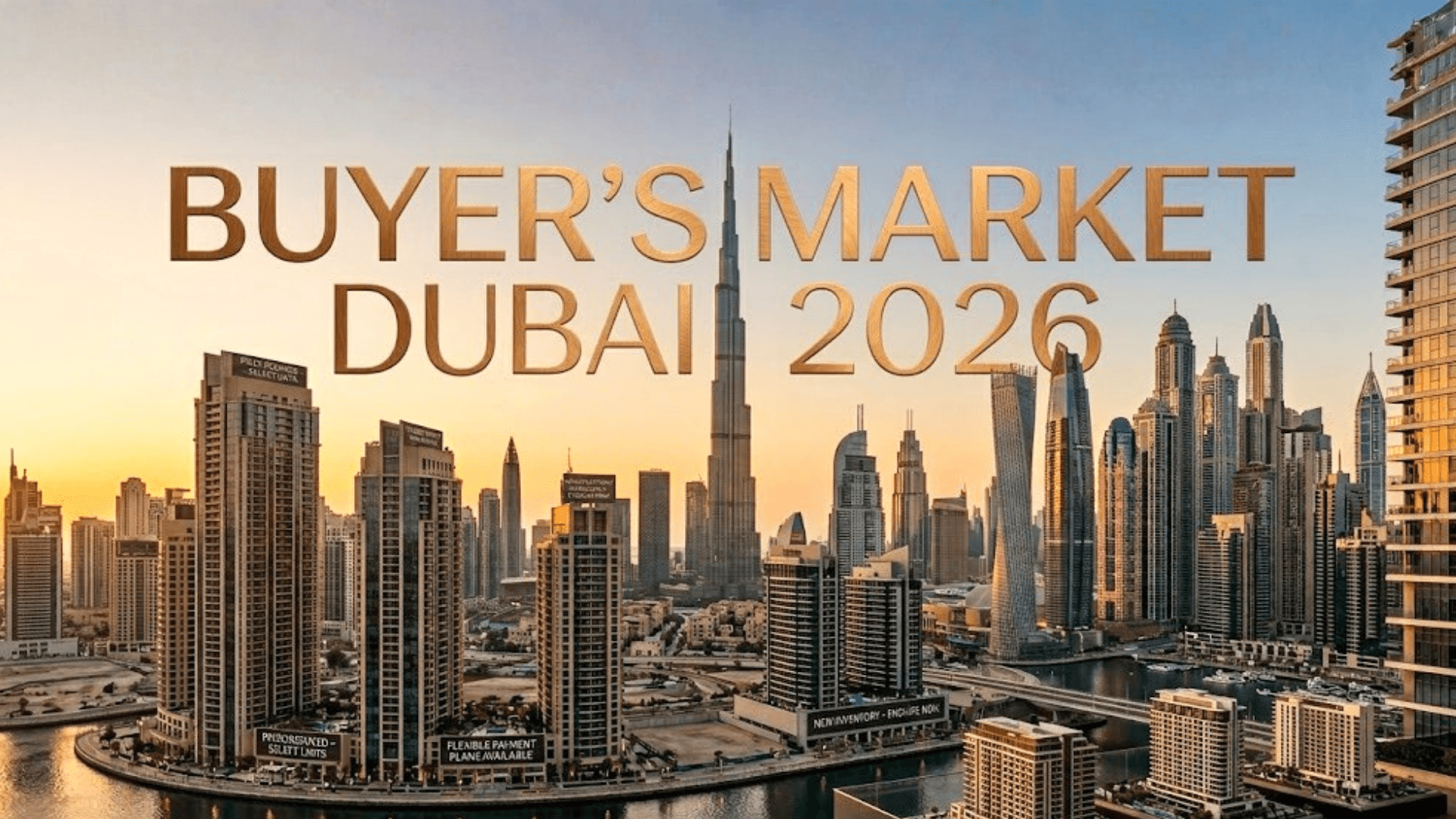
Dubai’s property market is gradually shifting into a buyer-friendly phase in 2026, offering more inventory, flexible pricing, and stronger negotiation power for informed investors and end-users.
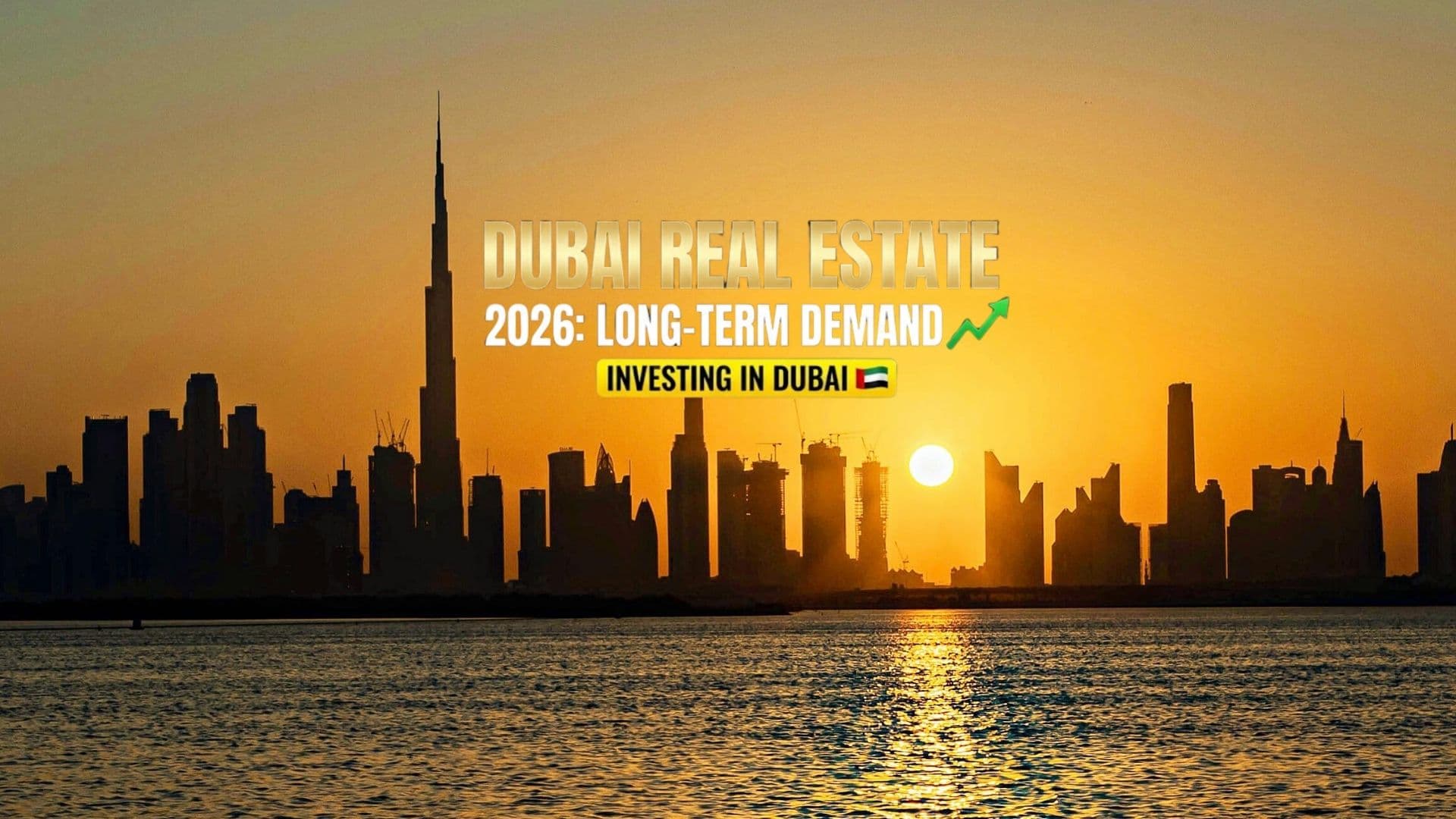
The UAE Golden Visa is no longer just a residency incentive—it has become a key driver of long-term real estate demand in Dubai. In 2026, buyers are shifting away from speculation toward family stability, lifestyle planning, and long-term settlement, boosting demand for villas, family communities, and quality mid-to-luxury apartments.
Get in touch with our expert team and let us help you find the perfect property in Dubai. We're here to guide you through every step of your real estate journey.