


Featured
Real Estate Market
Flexible Office Spaces in Dubai: The Changing Demand for Serviced Offices and Coworking
Flexible Office Spaces in Dubai: The Changing Demand for Serviced Offices and Coworking
Arash Sepassi
Nov 24
1 min
51
Sustainability is becoming an important consideration in the UAE property sector. Smart technology can support more efficient building operations by monitoring electricity consumption, optimising cooling systems and managing lighting based on actual usage.
AI-powered building management systems can analyse operational patterns and identify areas where energy consumption may be reduced.
These solutions are particularly relevant in the UAE, where cooling and air-conditioning systems play a significant role in residential energy consumption.
As sustainable development becomes more important, the integration of smart technology and environmentally conscious design is likely to remain a key consideration for future residential projects.
Before purchasing a smart home in Dubai, Abu Dhabi or another UAE emirate, buyers should consider more than the number of automated devices installed.
Important factors include:
System Compatibility: Check whether different smart devices work together.
Internet Connectivity: Reliable connectivity is essential for connected home systems.
Data Privacy: Understand how personal information and device data are collected and protected.
Maintenance Costs: Review subscription fees, software updates and equipment replacement costs.
Developer Integration: Check whether smart features are integrated into the property or require additional installation.
Future Compatibility: Consider whether systems can accommodate future technology upgrades.
A well-designed smart home should offer practical benefits, reliability and long-term usability rather than technology for appearance alone.
The relationship between artificial intelligence and real estate is expected to become increasingly significant as technology advances. Future residential developments may feature more sophisticated AI assistants, personalised automation, intelligent security systems and predictive building maintenance.
For developers, adopting these technologies presents an opportunity to create more competitive residential products. For homeowners, it offers greater convenience, control and potentially more efficient energy consumption. For investors, it introduces another factor to consider when evaluating the long-term appeal of residential assets.
As Dubai and Abu Dhabi continue to develop modern residential communities, smart home technology is likely to play an increasingly important role in shaping the future of UAE real estate.
Final Thoughts
Smart homes and artificial intelligence are changing expectations in the property market. What was once considered a premium residential feature is gradually becoming part of the conversation around modern property design, energy efficiency, security and convenience.
For buyers, homeowners, landlords and investors, understanding these developments can help identify properties that are better aligned with the evolving demands of modern living. The future of UAE real estate will not only be defined by location and architecture but also by how intelligently properties are designed, connected and managed.
Flexible Office Spaces in Dubai: The Changing Demand for Serviced Offices and Coworking
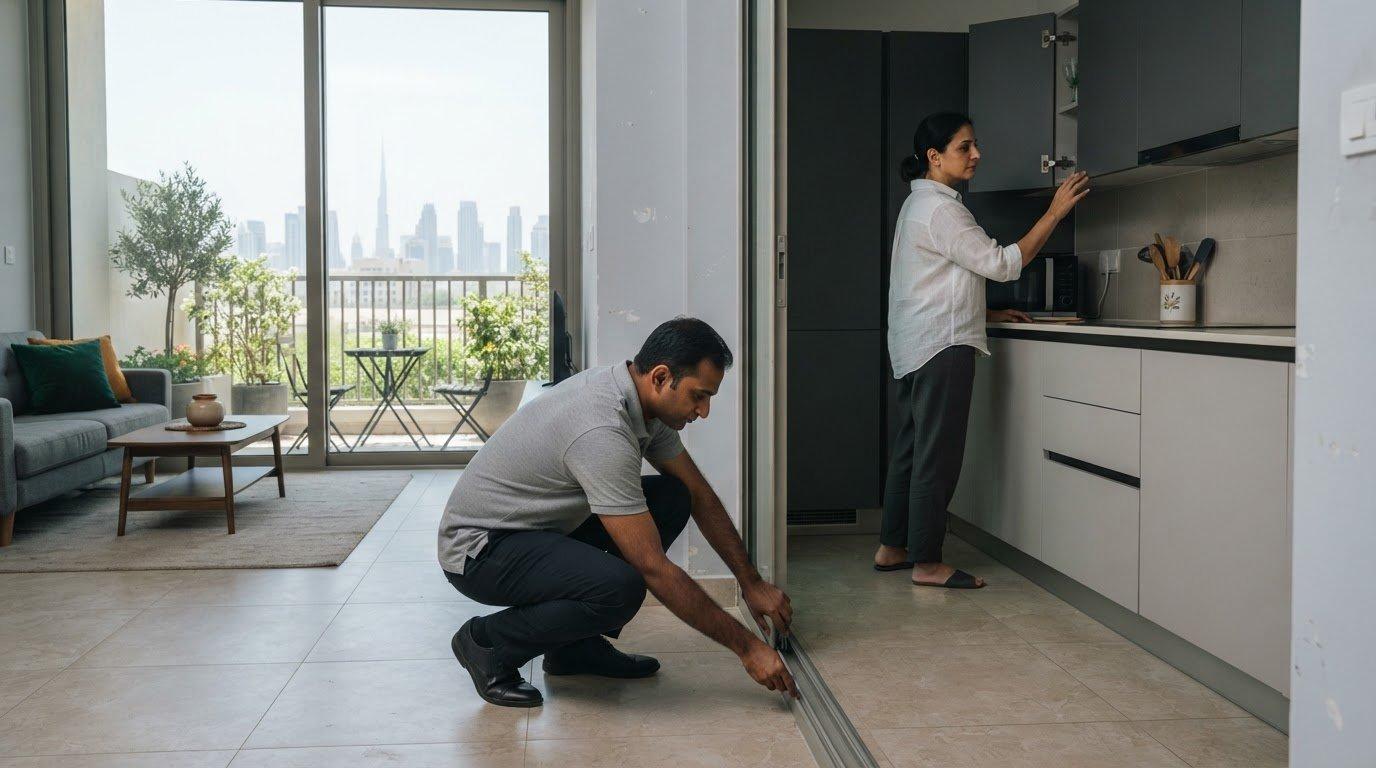
Selling ready property in Dubai? Learn how to price your home, account for transfer fees and prepare the paperwork for a smoother UAE property sale process.
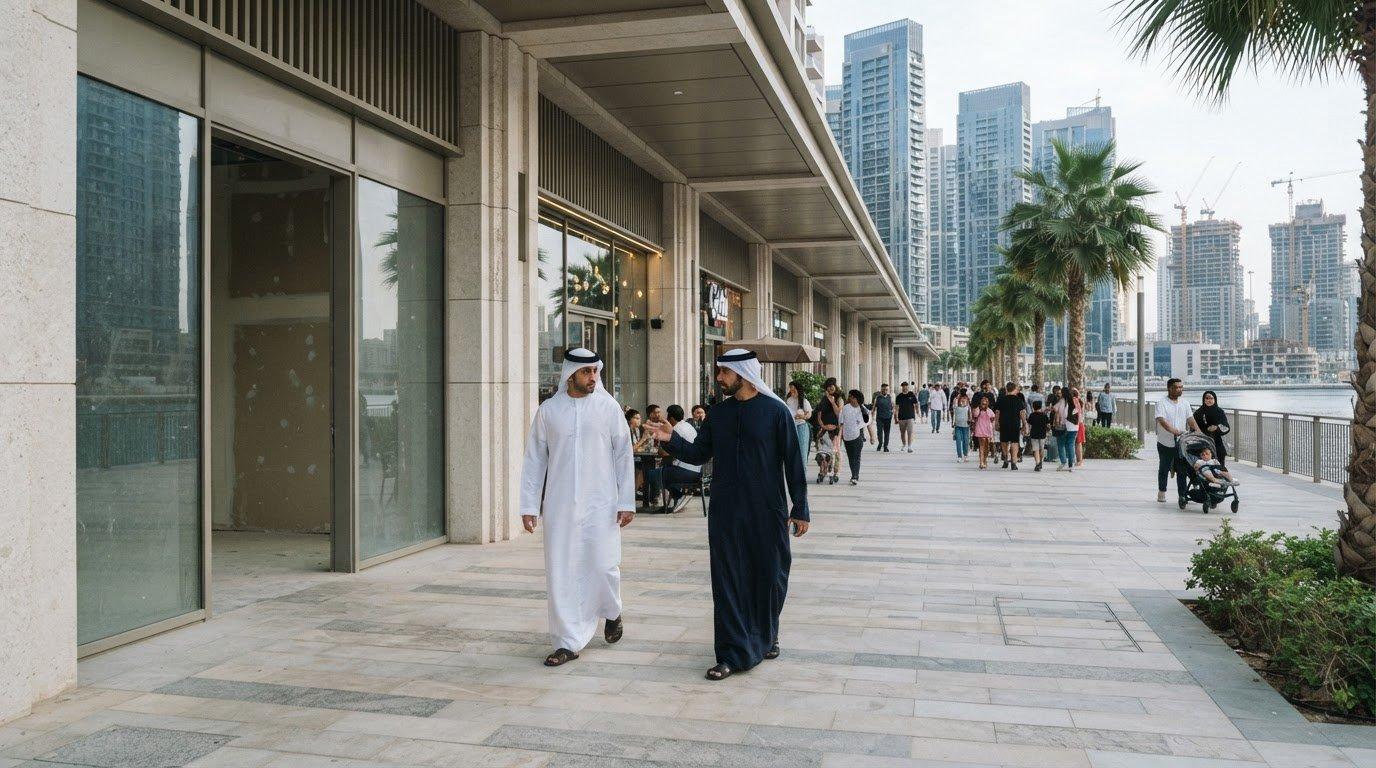
Is the UAE property market sustainable? Explore demand, new supply, affordability, rates and regulation to assess Dubai investment risks and long-term outlook.
Get in touch with our expert team and let us help you find the perfect property in Dubai. We're here to guide you through every step of your real estate journey.